Reducing Injuries and Claims Through Smarter Screening: A Functional Wellness Case Study
Written by FMS Wellness
Employers continue to face rising workers’ compensation costs, with musculoskeletal (MSK) injuries remaining the leading driver of claims, lost productivity, and long-term disability. At Cardinal Glass in western Wisconsin, Purveya Health partnered with Symmio to take a proactive, movement-based approach to workplace wellness - one that delivered measurable improvements in employee health and significant cost savings.
This case study highlights how smarter MSK screening, combined with on-site care and clear action plans, can reduce injury risk and improve workforce resilience.
<== Video for 8TcMm9Gk ==>
The Challenge: Preventing Injuries Before They Happen
Cardinal Glass contracted Purveya Health to place a nurse practitioner and physical therapist on-site with a clear objective: reduce workers’ compensation claims through injury prevention. While traditional strategies such as post-offer employment testing, job analyses, and ergonomic improvements were helpful, they only went so far.
According to Mike Erikson, PT, one of the earliest challenges was earning employee trust. On-site healthcare providers working for an employer must demonstrate that their role is to support employee health - not police it. Building relationships and understanding how employees move, work, and live outside the job became essential.
Why Traditional Health Screenings Fall Short
Most employer health screenings focus on lab values like cholesterol, blood pressure, and heart rate. While important, these metrics miss a critical factor: how people move. After completing advanced MSK screening education and reviewing APTA physical therapy exam guidelines, Erikson recognized the need for a more efficient, movement-centered solution. That search led him to Symmio, a functional wellness screening tool designed to identify MSK, behavioral, and lifestyle risk factors in a concise, scalable way.
Symmio’s Movement-Based, Proactive Approach
Symmio integrates evidence-based movement screening with health and wellness data to classify individuals into four risk categories:
- High risk
- Moderate risk
- Light risk
- Low risk
This approach fills a major gap in traditional workplace wellness by identifying who is at risk, why they are at risk, and what action is needed next. For Cardinal Glass, this meant moving beyond awareness and into targeted intervention - often immediately on-site.
Saving Time While Improving Care
Before implementing Symmio, Purveya Health relied on comfort surveys that required hours of manual data analysis. Even then, those surveys lacked insight into movement quality and injury mechanics. In some cases, it took nearly a month to analyze results and develop action plans - by which point it was time to start over. With Symmio, data collection took minutes instead of weeks, and reports automatically identified high- and moderate-risk employees. This allowed clinicians to spend less time managing spreadsheets and more time focused on direct patient care, making it possible to continuously screen populations and adjust wellness strategies in real time.
Identifying Hidden Behavioral Health Risks
One of the most impactful outcomes of Symmio screening was the identification of behavioral health needs. In an initial group of 75 employees, approximately 16 were flagged as having elevated behavioral health risk. Presenting this data prompted Cardinal Glass to ask an important question:
Are we doing enough to support our employees’ mental and emotional health?
As a result, the company expanded access to low-cost behavioral health services through Purveya Health - addressing a critical risk factor often overlooked in injury prevention.
Measurable Results: Health Improvements and Cost Reduction
The results of the Symmio-supported program were significant:
- 70% improvement in overall MSK health
- 32% reduction in employees classified as high or moderate risk
- Substantial reduction in workers’ compensation costs over the first few years
High-risk employees received targeted interventions, including:
- Behavioral health referrals
- Annual medical screenings
- Individualized physical therapy and movement correction
- Educational handouts and on-site guidance
Employees with pain or previous injuries were treated proactively - often before issues escalated into claims.
Removing Barriers to Care
A key factor in the program’s success was removing cost barriers. Cardinal Glass paid an hourly rate for on-site services, allowing employees to access medical and physical therapy care at a very low cost. This model encouraged early reporting, faster recovery, and reduced reliance on insurance-driven care.
A Scalable Model for Any Industry
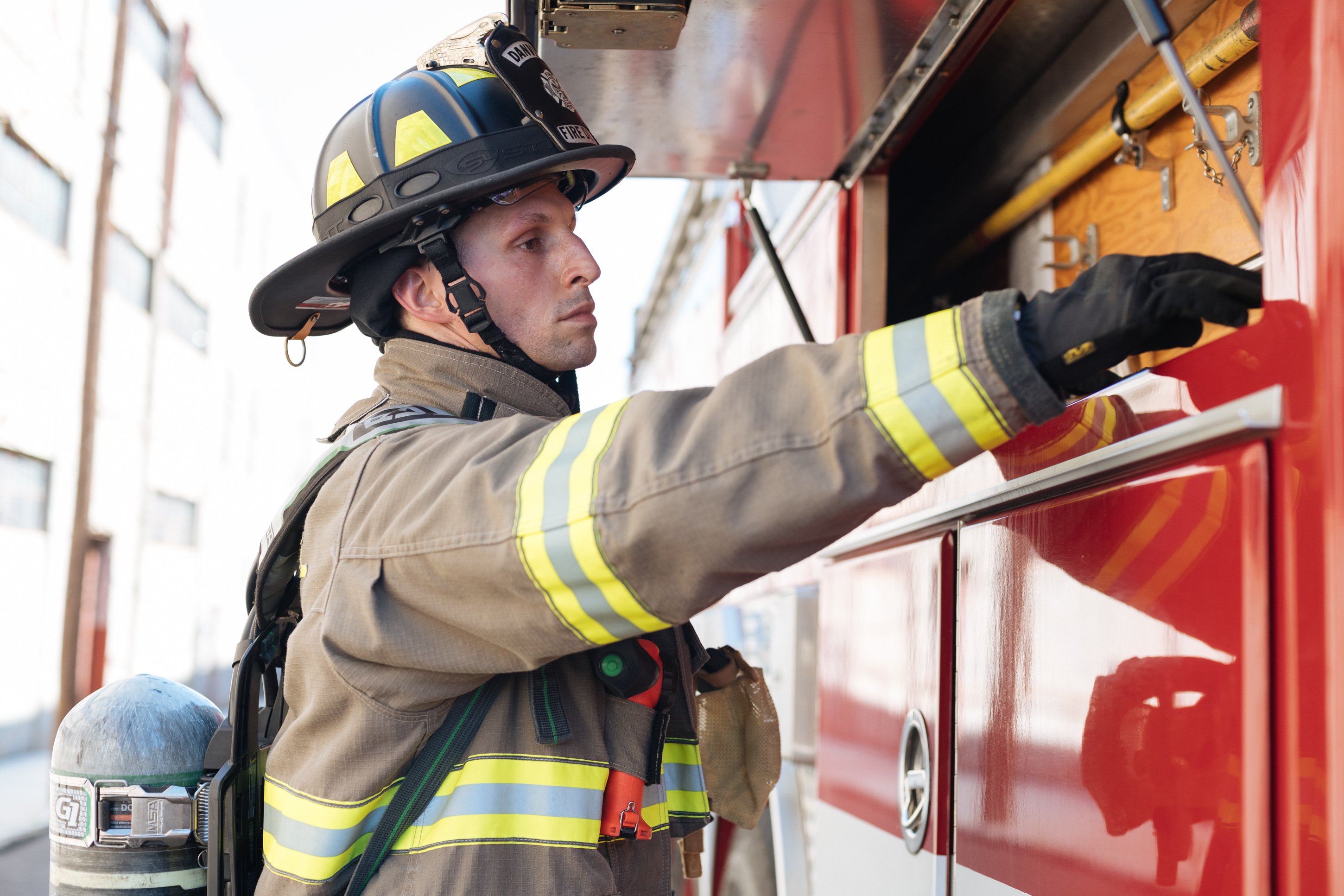
According to Erikson, the Symmio model is highly replicable across industries - including corporate wellness, manufacturing, fire departments, and law enforcement. Built on the same principles as higher-level tools like the Functional Movement Screen (FMS) and SFMA, Symmio makes movement screening accessible to the general population.
Run your own screen. Identify your risk profile. See how the algorithm prioritizes what matters most.
Start your free Symmio assessment today and discover how evidence-based risk management can improve performance, reduce injuries, and protect your most valuable asset - your people.
Remember this:
- You don’t know the risk until you screen for it. Assumptions don’t prevent injuries - data helps guide early decision making to avoid them.
- Screening requires an action plan. Data must be paired with local healthcare support to drive change.
- Wellness is a continuous process. Regular screening allows organizations to adapt to seasonal, lifestyle, and workload changes.