Wellness on the Front Lines: Firefighter Health, Movement, and Injury Prevention
Written by FMS Wellness
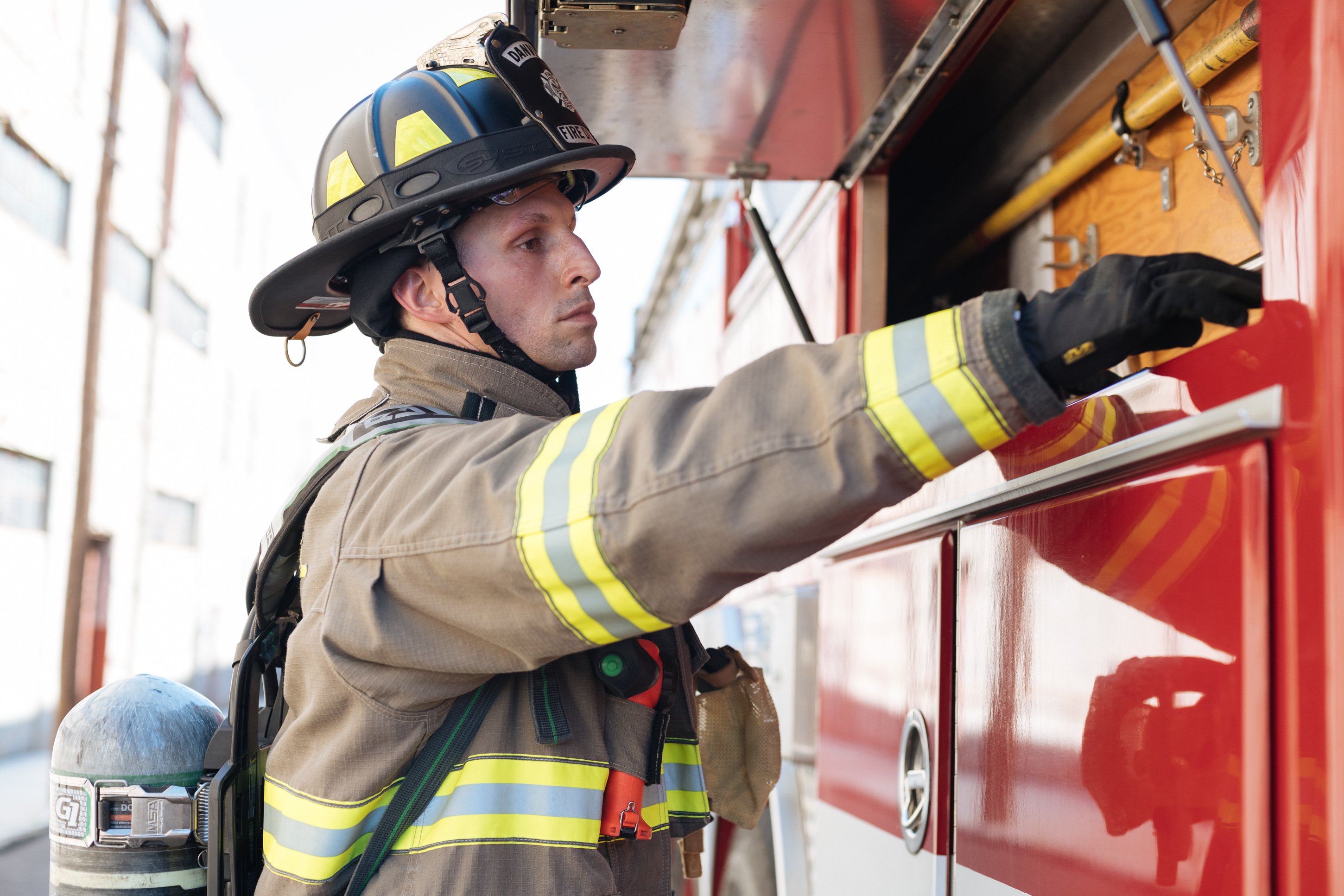
Firefighters face some of the highest physical and psychological demands of any profession. Long shifts, heavy gear, sleep disruption, and repeated exposure to high stress place firefighters at increased risk for musculoskeletal injury, chronic pain, and early career burnout.
At Functional Movement Systems (FMS), we focus on improving firefighter wellness and injury prevention by identifying risk factors early - before they lead to time-loss injuries, extended return-to-duty, or long-term dysfunction.
<== Video for QBhkG0mw ==>
Why Movement Screening Matters in the Fire Service
Fireground tasks demand consistent, high-level performance of fundamental movement patterns — lifting, bending, rotating, balancing, and stabilizing under load. When movement quality is compromised, firefighters inevitably compensate, and those compensations significantly increase the risk of injury. Both research and field data consistently show that firefighters with poor movement patterns are more likely to be injured, and those who are injured tend to take longer to return to full duty if underlying dysfunction is not addressed. Movement quality is not just a fitness metric — it directly impacts operational readiness. By implementing Functional Movement Screening, departments can proactively identify risk factors early, intervene appropriately, and better protect both the health of their personnel and the effectiveness of their operations.
A Holistic Model for Firefighter Wellness
Injury prevention within fire departments cannot focus on fitness alone. Functional Movement Systems takes a holistic, upstream approach to firefighter health — recognizing that performance and resilience depend on the interaction of multiple systems. Injury risk is influenced not only by poor movement quality, but also by:
- inadequate sleep
- chronic stress and behavioral health strain
- previous injury and ongoing pain
- inefficient breathing patterns
When one area begins to break down, others quickly follow — especially in the high-stress, high-demand environment of the fire service. Addressing these interconnected factors is essential for building durable, mission-ready firefighters
Firefighter Risk Assessment and Injury Prevention
Firefighters are trained to assess risk on every call, and Functional Movement Systems applies that same disciplined logic to the human system through functional risk assessment. At a minimum, FMS evaluates eight critical areas that influence firefighter injury risk and overall musculoskeletal health, including movement quality, sleep, injury history, body composition, breathing patterns, and behavioral health. The model recognizes that risk is cumulative: the more unresolved risk factors a firefighter carries, the greater the likelihood of injury — and the longer recovery typically takes. By identifying and addressing these risks early, departments can shift from reactive care to proactive performance protection.
Symmio: Scalable Wellness for Fire Departments
To support department-wide wellness initiatives, FMS developed Symmio — a self-guided functional wellness screening platform designed specifically for firefighters and other tactical populations. Symmio enables firefighters to complete a comprehensive functional wellness screen, receive a personalized risk profile and score, and clearly identify priority areas for improvement.
By highlighting whether individuals are meeting minimum standards associated with reduced injury risk, the platform shifts the focus from chasing perfection to maintaining readiness, durability, and long-term career longevity.
What the Data Shows in Firefighter Populations
Data from firefighter and first responder populations consistently highlights several recurring risk factors:
- Sleep deprivation remains a major contributor to injury and poor performance
- Chronic back, knee, and shoulder pain is widespread
- High cumulative stress significantly slows recovery and return-to-duty timelines
Symmio enables departments to identify high-risk individuals early by capturing these risk indicators in a structured, measurable way. With this insight, leadership can connect personnel to appropriate resources — including physical therapy, behavioral health support, nutrition services, or wellness coordinators — before small issues escalate into lost time injuries or long-term health consequences.
Addressing Firefighter Pain Before It Becomes Career-Limiting
Musculoskeletal pain remains one of the leading causes of time-loss within the fire service, and its impact extends far beyond the initial injury. Pain disrupts sleep, alters movement quality, and strains mental resilience — creating a compounding cycle that further increases injury risk and delays recovery. When departments implement early screening and address pain upstream, they can interrupt this cycle before it escalates. Proactively identifying and managing dysfunction helps reduce preventable injuries, improve return-to-duty timelines, and support long-term firefighter health, durability, and operational performance.
Building Sustainable Firefighter Wellness
Firefighter wellness isn’t about doing more — it’s about monitoring the right systems and ensuring personnel stay above critical thresholds as operational demands evolve. Functional Movement Systems provides fire departments with a clear, scalable framework to improve movement quality, proactively reduce injury risk, and support whole-person health. By addressing risk factors upstream and reinforcing foundational movement and wellness standards, departments can keep firefighters healthy, resilient, and operationally ready — from recruit school through retirement.
If you want to learn more about Symmio, please visit our website HERE. If you want to experience Symmio for yourself and get your own free assessment, simply click HERE to get started.