
FMS and the NFL Combine
Posted by Gray Cook
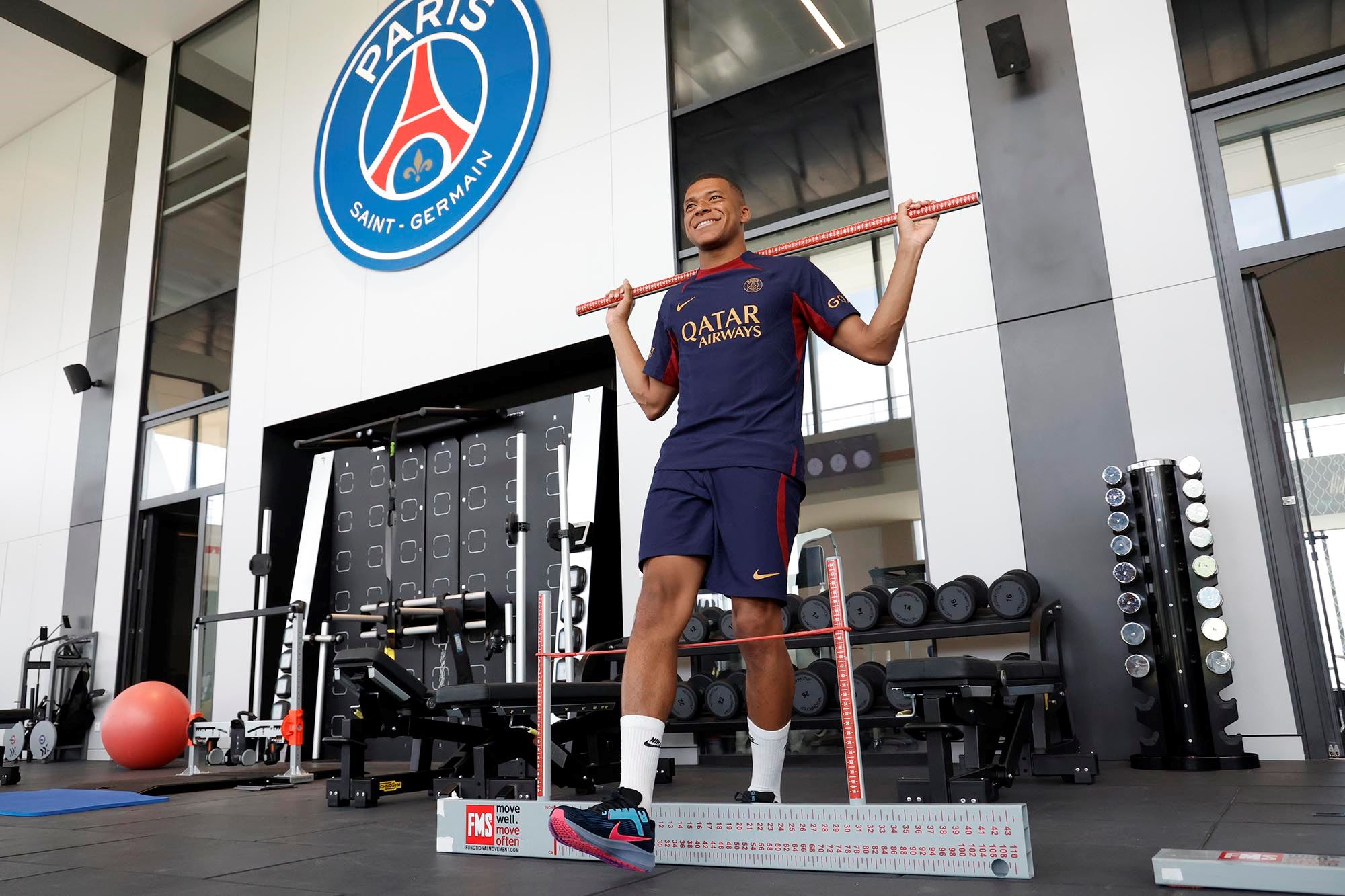
In professional sport, performance margins are razor thin. A fraction of a second can determine outcomes, and small movement inefficiencies can quietly impact force production, coordination, and ultimately durability. However - for elite organizations, the biggest challenge isn’t performance - it’s availability. Athletes don’t help teams when they’re injured.
That’s why top teams invest in systems that help answer a critical question: Is this athlete durable enough to handle the demands ahead?
The Functional Movement Systems (FMS) framework plays a key role in answering that question — not by replacing coaching or medical expertise, but by giving professionals a structured way to observe, measure, and manage movement.
Performance metrics like speed, strength, and power dominate training conversations, while imaging like MRIs and X-rays dominate injury discussions - but neither tells the full story. Imaging reveals tissue damage, and performance testing shows output - yet neither explains how an athlete produces that output.
Elite teams recognize that athletes can perform well while compensating, and those compensations often precede injury. Movement screening fills this gap by highlighting patterns that are otherwise easy to miss, such as:
This insight allows teams to shift from reactive care to proactive decision-making.
FMS is rarely used in isolation. Instead, it’s integrated into a broader performance and medical system to provide context alongside traditional metrics. During combines, draft evaluations, and pre-contract decisions, movement quality can serve as a differentiator when performance metrics are similar. It helps uncover hidden risks - like asymmetries or past injury signatures - that may not show up in standard testing.
Once an athlete joins a team, movement data becomes part of their baseline profile. Combined with strength metrics, force plate data, and GPS tracking, it creates a “movement fingerprint” that allows staff to monitor changes over time. This helps identify early signs of compensation, fatigue, or reduced readiness before they become bigger issues.
Movement insight also plays a key role in daily training decisions. An athlete may appear strong and powerful in testing, but poor movement control in certain patterns can signal increased risk under load. This influences programming decisions - from exercise selection to recovery strategies - with the goal of supporting sustainable performance, not just peak output.
When injuries occur, the source of pain is not always where the problem originates. Compensation elsewhere in the body is often the true driver. Using systems like the Selective Functional Movement Assessment (SFMA), clinicians can separate pain from dysfunction, identify whether limitations are mobility- or stability-based, and trace compensation patterns across the body. This leads to more targeted and effective interventions.
Return-to-play decisions are equally complex. Teams must balance medical clearance, performance readiness, and competitive pressure. Movement assessments add another layer of confidence by helping professionals evaluate how closely an athlete has returned to their baseline in terms of symmetry, control, and load tolerance. They don’t replace medical judgment - they strengthen it.
One of the most overlooked benefits of the FMS framework is its ability to create a shared language across departments.
In professional sport, collaboration is essential. Strength coaches, athletic trainers, physical therapists, physicians, and sport scientists all bring different perspectives. Movement frameworks help unify those perspectives, improving communication and aligning decision-making in high-pressure environments.
For veteran athletes, longevity is often the result of consistent, informed decision-making over time. Movement awareness allows professionals to identify accumulating limitations, adjust training strategies, and reduce unnecessary stress on the body. Career durability isn’t accidental - it’s managed.
It’s important to understand the role of the system. FMS is not a diagnostic tool, nor does it replace medical evaluation or coaching expertise.
Instead, it provides structure and clarity by offering:
Its value lies in how professionals apply it within their existing systems.
While most professionals don’t work with elite athletes, they face many of the same challenges - clients with injury history, performance plateaus, compensation patterns, and uncertainty around readiness. The principles used in professional sport translate directly to clinical and fitness settings. The difference is simply scale, not relevance.
When movement is better understood, decisions become clearer - whether you're working with a professional athlete or an everyday client.
Professional organizations adopt systems like FMS because the cost of poor decisions is high. Performance matters, availability determines outcomes, and every decision carries risk. Movement frameworks don’t replace expertise - they enhance it. By providing better insight into how the body moves, they help professionals make more informed decisions in complex environments.
If you want to bring that same level of movement intelligence into your own practice, the opportunity is there - you just need the right framework to start.
Explore FMS education, certification pathways, and tools to bring movement intelligence into your own practice.

Posted by Gray Cook


Posted by FMS
Posted by FMS

Posted by Lee Burton and Jon Torine