How the FMS System Is Used in Military and First Responder Populations
Written by FMS The System
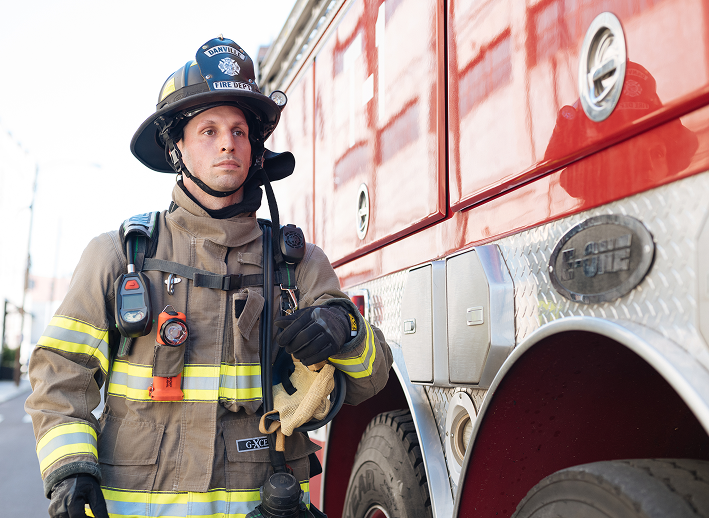
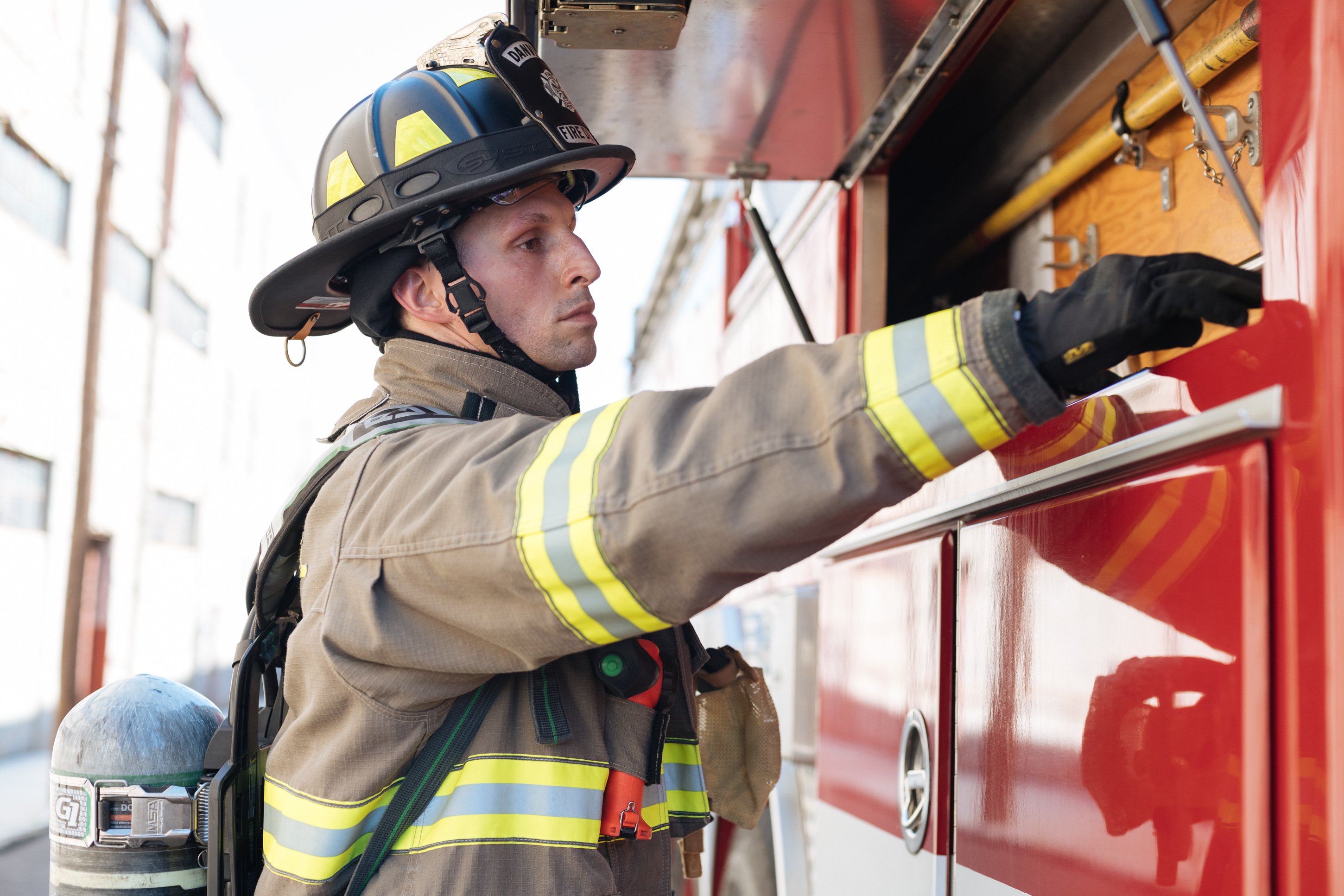
Military personnel and first responders operate in environments where physical readiness is not optional - it is mission-critical. Whether responding to emergencies, carrying heavy equipment, or operating under fatigue and stress, these populations face high physical demands with little margin for error. Musculoskeletal injuries remain one of the leading causes of lost duty time, reduced readiness, and increased healthcare costs across tactical populations.
To address these challenges, many military units and first responder agencies have begun integrating movement screening into their human performance and injury prevention programs. The Functional Movement Systems (FMS) framework provides professionals with a structured way to identify movement limitations, guide training decisions, and monitor readiness over time.
Establishing Baselines for Operational Readiness
Before adding significant physical load, movement screening helps establish a baseline of how personnel move. Rather than relying solely on traditional fitness testing, these assessments provide insight into movement quality - identifying limitations that may not show up in strength or endurance metrics alone. Common findings include:
- Mobility restrictions
- Stability or control deficits
- Asymmetries between sides
- Compensation patterns under stress
By understanding these factors early, professionals can better prepare individuals for the physical demands of duty, instead of reacting after breakdown occurs.
Supporting Injury Reduction and Long-Term Durability
In tactical populations, injuries are rarely caused by a single event. More often, they develop over time through repeated stress, fatigue, and unresolved movement limitations. Movement assessment allows professionals to take a proactive approach - identifying issues early and addressing them before they escalate. This is especially important in environments where individuals are exposed to:
- Repetitive load carriage
- High training volumes
- Occupational and psychological stress
- Prior injury history
The goal is not simply to improve performance in the short term, but to support durability - the ability to sustain performance under real-world conditions over time.
Guiding Training and Return-to-Duty Decisions
One of the most valuable applications of movement assessment is in decision-making. FMS-trained professionals use movement data to guide training progression, manage load, and support rehabilitation strategies. Instead of relying on subjective feedback alone, baseline movement data provides a reference point for evaluating readiness.
This becomes especially important when determining return-to-duty timelines. Movement quality, control, and tolerance to load all contribute to a clearer picture of whether an individual is truly ready - not just cleared.
Creating Alignment Across Teams
Military and first responder environments require coordination across multiple roles - from performance staff to medical providers to leadership.
The FMS framework helps create a shared language around movement and readiness. When teams evaluate and communicate using similar principles, decision-making becomes more aligned, communication improves, and individuals are better supported throughout training and recovery.
Readiness Is More Than Fitness
Traditional fitness tests measure output - how strong, fast, or enduring someone is. Movement assessment adds a critical layer by evaluating how that output is produced. Together, they provide a more complete picture of readiness - one that reflects both capacity and quality.
The Readiness Advantage
Across military units and first responder agencies, movement screening is helping professionals take a more proactive and informed approach to performance and injury prevention. It does not replace professional judgment - it strengthens it.
By improving how movement is assessed and how decisions are made around training, rehabilitation, and load tolerance, professionals can help tactical populations stay prepared, resilient, and ready for the demands of duty.
Want to Learn the System Used by Military and First Responders?
Explore FMS education, certification pathways, and tools to bring movement intelligence into your own practice.