How the FMS System Is Used in College and University Programs
Written by FMS The System
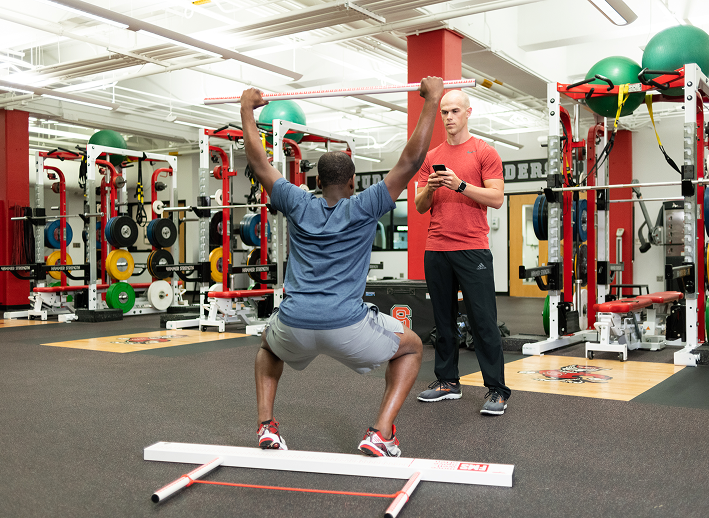
Collegiate athletes operate in a demanding environment. High training volumes, intense competition schedules, travel, academic stress, and growing performance expectations all intersect - often while athletes are still physically maturing. For strength coaches, athletic trainers, physical therapists, and sports medicine teams, the challenge is clear: drive performance forward while protecting long-term athlete health.
To better manage this balance, many colleges and universities integrate structured movement screening into their performance and medical systems. The Functional Movement Systems framework - including the Functional Movement Screen (FMS), the Selective Functional Movement Assessment (SFMA), and the Y Balance Test (YBT) - provides professionals with tools to evaluate how athletes move, tolerate load, and respond to training throughout their careers.
Establishing Baselines Early
Incoming collegiate athletes arrive with different training histories, movement habits, and prior injuries. Establishing a clear baseline early allows performance and medical staff to make informed decisions from the start. Movement screening often helps identify:
- Mobility restrictions or stability deficits
- Side-to-side asymmetries
- Compensation patterns
- Residual effects from prior injuries
These insights create an initial movement profile that can guide programming, monitor change over time, and reduce unnecessary guesswork during the transition into collegiate training.
Supporting Smarter Training Decisions
A collegiate season places significant physical stress on athletes. Practices, lifts, travel, and academic responsibilities all influence recovery and load tolerance. Movement assessment adds context to performance data, helping coaches understand not just how strong or fast an athlete is, but how efficiently they produce that output.
Instead of reducing intensity, the goal is to manage it wisely. Movement data can influence exercise selection, progression timing, and individualized adjustments when capacity is exceeded. Over time, this supports more consistent development and fewer interruptions due to preventable breakdown.
Injury Investigation and Return-to-Play
When injuries occur, identifying the painful area is only part of the process. Understanding why the issue developed is equally important. The SFMA framework allows clinicians to evaluate movement patterns across the system, helping distinguish between pain and dysfunction and identify contributing factors beyond the symptomatic region. When paired with preseason baseline data, this provides valuable comparison points during rehabilitation and return-to-play decision-making.
Movement competency does not replace medical clearance - it strengthens confidence that an athlete is prepared to handle the demands of competition again.
Strengthening Collaboration Across Departments
Collegiate performance environments require coordination between multiple disciplines - strength and conditioning, athletic training, physical therapy, sports medicine physicians, and performance staff.
The FMS framework creates a shared movement language that helps unify these perspectives. When departments evaluate and communicate using consistent principles, collaboration improves, programming aligns more effectively, and athlete care becomes more cohesive.
Developing Durable Athletes for the Long Term
College athletics is about more than immediate wins. It is also about building a foundation for sustained performance - whether that means future collegiate success, professional opportunities, or lifelong physical health. Movement awareness supports that development by helping professionals:
- Build foundational movement competency
- Address asymmetries early
- Improve durability across multiple seasons
When movement quality improves, so does resilience. And resilience is what allows athletes to train consistently, compete confidently, and extend their careers.
The Competitive Advantage
Across collegiate programs, movement screening is used to enhance - not replace - professional expertise. It provides structure, objectivity, and clearer communication in environments where decisions carry significant impact. By improving how movement is evaluated and managed, collegiate programs can support safer training, stronger performance outcomes, and more durable athletes throughout their careers.
Want to Learn the System Used by Many Colleges and Universities?
Explore FMS education, certification pathways, and tools to bring structured movement assessment into your own practice.