How the FMS System Is Used in Industrial and Workforce Health
Written by FMS The System

Industrial workers face physical demands every day - lifting, carrying, climbing, reaching, and performing repetitive tasks under load. Across industries, musculoskeletal injuries remain one of the leading drivers of lost productivity, absenteeism, and rising healthcare costs. To address this, many occupational health and safety teams are expanding beyond traditional approaches and integrating movement screening into their prevention and wellness programs. The Functional Movement Systems (FMS) framework provides a structured way to evaluate how workers move, identify limitations, and guide interventions that support safer, more sustainable performance on the job.
Identifying Risk Before Injury Occurs
Traditional safety efforts often emphasize ergonomics, compliance, and environmental controls. While essential, these strategies don’t always account for how individuals move within those environments. Movement screening adds that missing layer. By evaluating movement patterns, professionals can uncover issues such as mobility restrictions, stability deficits, asymmetries, and compensation patterns that may not be obvious during routine observation. Identifying these factors early allows organizations to intervene proactively - before minor limitations escalate into injuries that impact both the worker and the business.
Supporting Task Readiness and Physical Capacity
Many roles require workers to handle repeated physical stress over long shifts. Movement assessment helps bridge the gap between job demands and individual capacity, ensuring workers are better prepared for what their roles require. This approach supports:
- Matching physical capacity to task demands
- Guiding targeted conditioning or corrective strategies
- Monitoring improvement over time
Rather than focusing solely on injury prevention, the goal becomes building a more durable workforce - individuals who can perform consistently and safely under real-world conditions.
Return-to-Work and Recovery Decisions
When injuries do occur, determining when a worker is ready to return can be complex. Movement assessments provide objective insights that help guide these decisions with greater confidence. By evaluating movement quality and comparing it to previous baselines or expected standards, professionals can better understand recovery progress, identify lingering dysfunction, and support safer return-to-work timelines. This not only reduces reinjury risk but also builds trust between employees and employers during the recovery process.
Improving Worker Well-Being
Movement quality influences more than just injury risk - it directly impacts how workers feel and function throughout the day. Better movement often leads to improved comfort, reduced fatigue, greater confidence, and enhanced long-term health. Organizations that prioritize movement health frequently see broader benefits, including higher engagement in wellness initiatives and a more resilient workforce overall.
Aligning Teams Through a Shared Approach
Industrial environments often require collaboration across multiple roles, including occupational health professionals, physical therapists, ergonomists, safety teams, and wellness coordinators. The FMS framework helps unify these efforts by providing a shared language around movement.
When teams evaluate and communicate using consistent principles, interventions become more aligned, and decision-making becomes clearer - ultimately improving outcomes for both workers and organizations.
A Smarter Approach to Workforce Health
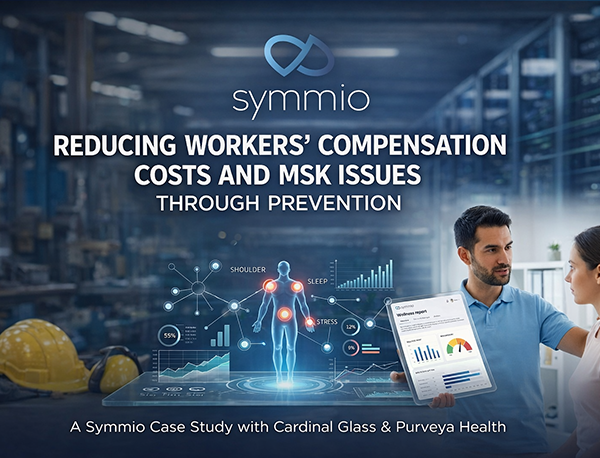
Across industrial and corporate settings, movement screening is helping organizations shift from reactive injury management to proactive workforce development. It doesn’t replace professional expertise - it enhances it by adding structure, objectivity, and actionable insight. One exciting tool that is taking this industry by storm is Symmio. Click HERE to see how one company used Symmio to make a huge impact in the health and wellness of their workforce.
By improving how movement is evaluated and managed, organizations can reduce injury risk, support productivity, and invest in the long-term well-being of their workforce.
Want to Learn the System Used in Workplace and Corporate Wellness Settings?
Explore Symmio, FMS education, certification pathways, and tools to bring movement-based strategies into your organization.